People · Lagos
The blood existed. It was just in the wrong place.
Women were dying in Nigerian hospitals waiting for blood a bank across the city already had. Temie Giwa-Tubosun built LifeBank to move it in time.

In Nigeria, women were dying in hospitals, waiting for blood that already existed. It was just in the wrong place.
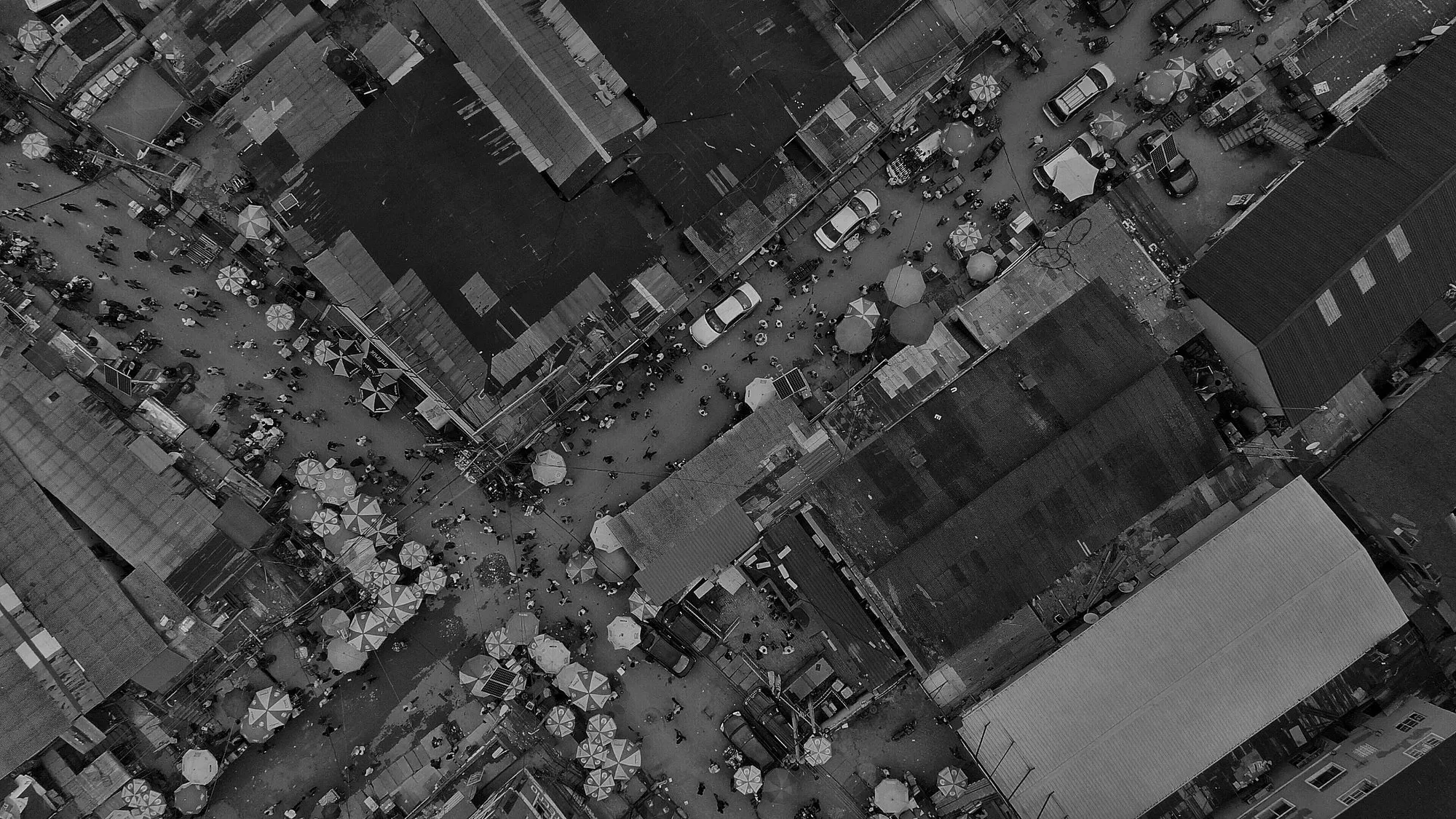
Here’s how it happens. A woman gives birth and starts to bleed. The doctor needs blood, now. But the hospital doesn’t have her type. Somewhere across the city, a blood bank does. Nobody knows which one. So the family goes searching, in Lagos traffic.
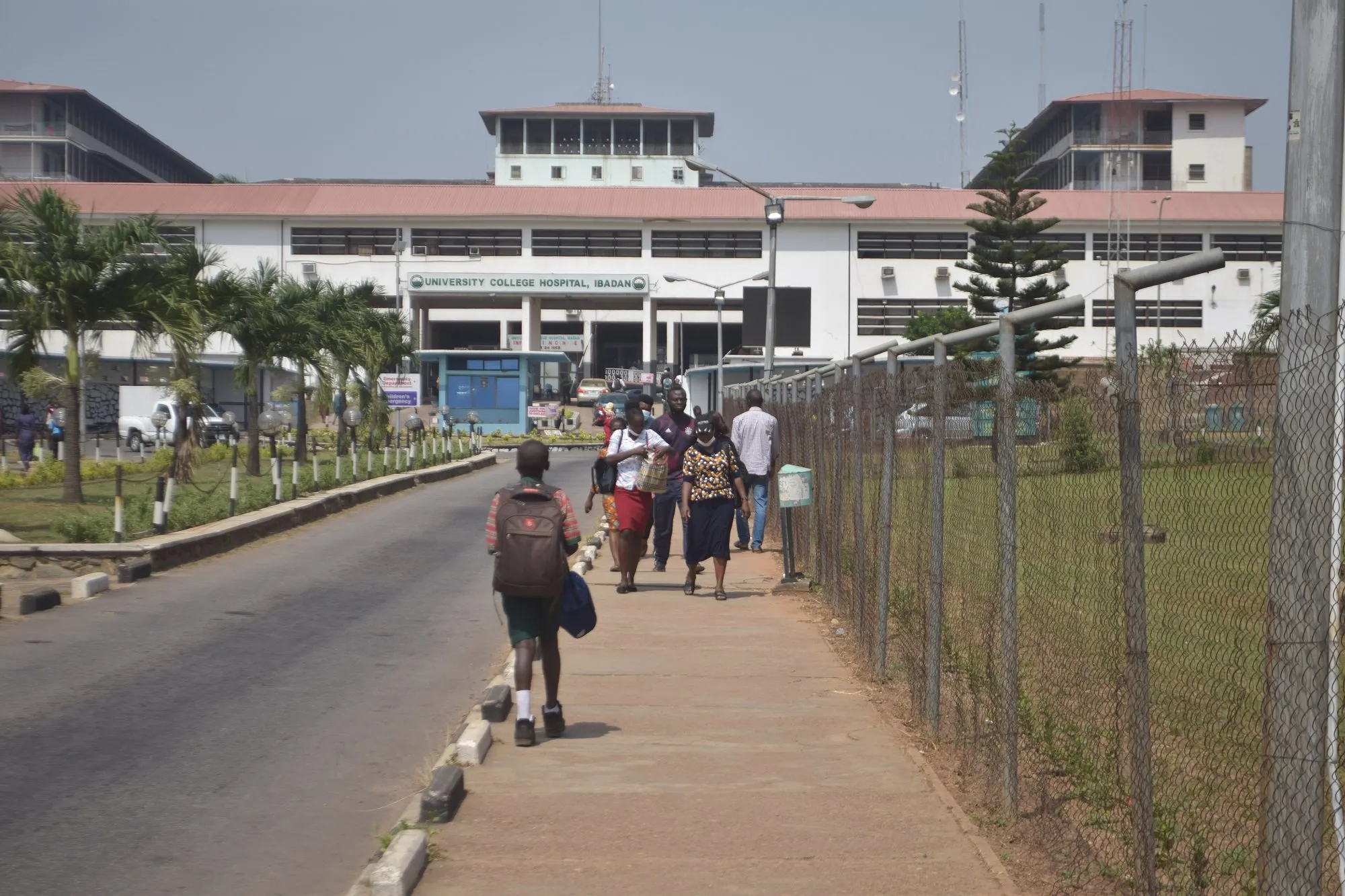
Temie Giwa-Tubosun almost became one of those women. Her son was born early, in an emergency, and she bled heavily. She survived because the hospital had everything it needed. Then she wondered: what if that had happened in Lagos?
Find it, then move it
She found the answer. Bleeding after childbirth is one of the biggest killers of mothers in Africa. And many of those women could be saved if the right blood was simply there in time.
So in 2016, she started LifeBank. First, find the blood: every day, LifeBank checks what the blood banks have. Then, move it: a doctor calls, and a rider on a motorbike carries the blood across the city, tracked live on a map.
Today, LifeBank says it can get blood to a hospital in its network in under an hour. It has worked with more than a thousand hospitals and says it has helped save over 40,000 lives. Now it moves oxygen and vaccines too, in Nigeria, Kenya and Ethiopia.
The blood was always there. Someone just had to build the road to it. Temie Giwa-Tubosun, one of the people building Nigeria.
■
Photo credits
- Lagos traffic, where families once searched hospital to hospital for blood: Nene Obichie / Wikimedia Commons, CC BY-SA 4.0 (licence)
- LifeBank's riders carry blood across the city by motorbike: Oritsetsemaye Jemide / Wikimedia Commons, CC BY-SA 4.0 (licence)