Craft · Kwali, FCT
The woman on the back of your ₦20 note
She wasn't a politician or a soldier. Ladi Kwali was a village potter from Kwali whose pots ended up in the Victoria and Albert Museum.
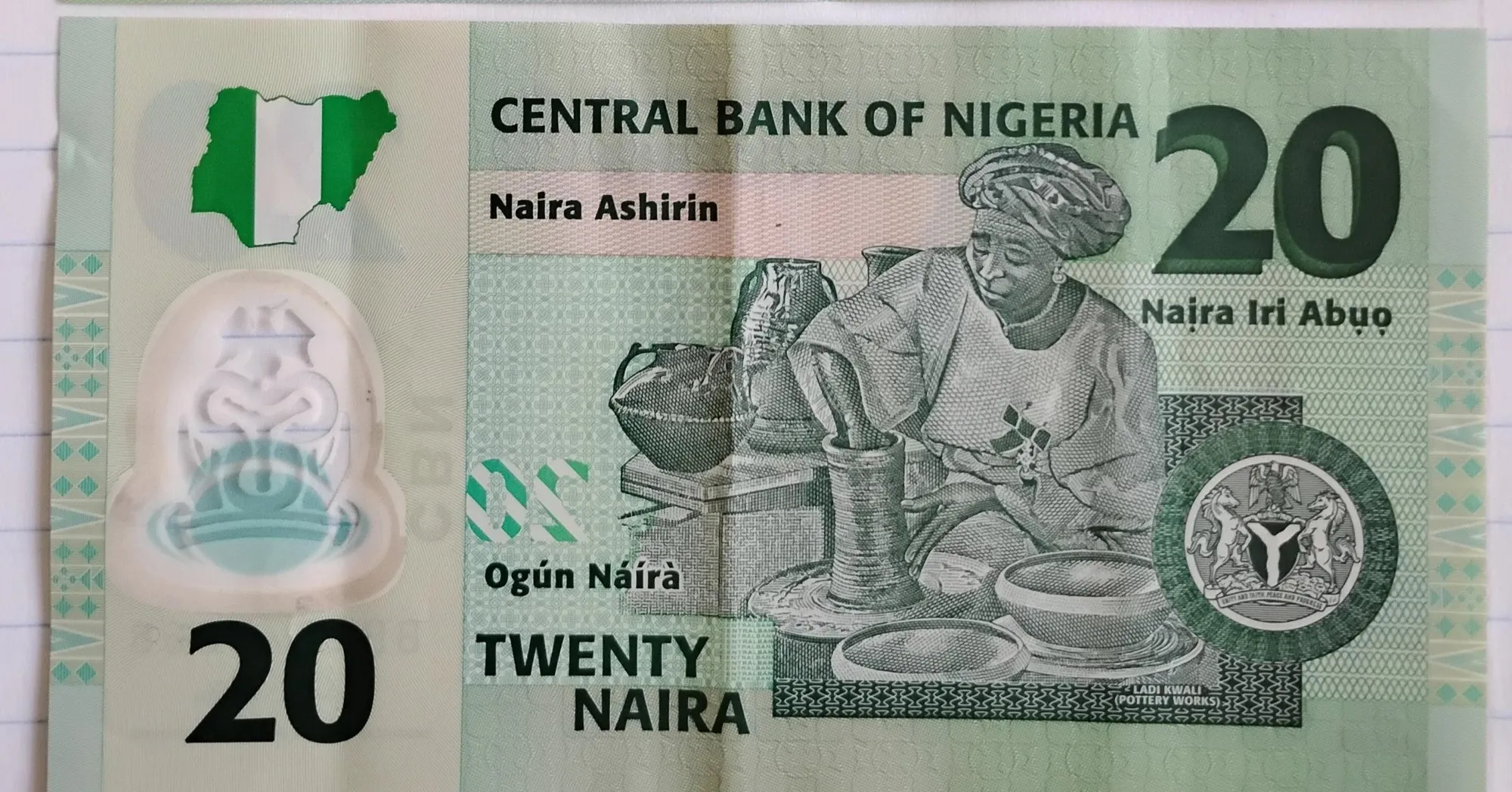
Take out a ₦20 note and turn it over. The woman on the back isn’t a politician or a soldier. She was a village potter, and her name was Ladi Kwali.
She was born around 1925 in Kwali, a Gbari village near what is now Abuja. Her aunt taught her the old way of making pots. No wheel and no machine, just coils of clay built up by hand and fired in an open fire. She got so good at it that the Emir of Abuja kept her water pots in his palace.
Two ways of making
In 1950, a British potter named Michael Cardew visited, saw those pots and asked who made them. Four years later, she walked into his pottery centre in Suleja. She was the first woman there.
She learned the wheel, glazes and kilns far hotter than anything in her village. But she never let go of the way her aunt taught her. She brought the two together, and nobody else’s pots looked like hers.
Then her work went to London. In 1958, the Victoria and Albert Museum bought one of her pots. She travelled to Britain and America to demonstrate, and collectors started asking for her by name.
Britain made her an MBE. Ahmadu Bello University gave her an honorary doctorate, even though she never went to school. In 1981, Nigeria made her an Officer of the Order of the Niger. She died in 1984.
Today the pottery centre where she trained carries her name, and so does a road in Abuja. And every time a ₦20 note changes hands, she goes with it. Ladi Kwali, one of the people who built Nigeria.
■
Photo credits
- Ladi Kwali on the back of the ₦20 note: FAdelabu / Wikimedia Commons, CC BY-SA 4.0 (licence)
- A hand-built pot by Ladi Kwali, York Museums Trust: York Museums Trust / Wikimedia Commons, CC BY-SA 3.0 (licence)
- Her work in Nigerian Modernism at Tate Modern, London: GualdimG / Wikimedia Commons, CC BY-SA 4.0 (licence)