Projects · Lekki, Lagos
Nigeria built Africa's deepest port. So why is it mostly empty?
Lekki Deep Sea Port can take ships bigger than anything Nigeria's old ports ever could. For its first years it ran at about a fifth of its capacity. The reason is outside the gate.
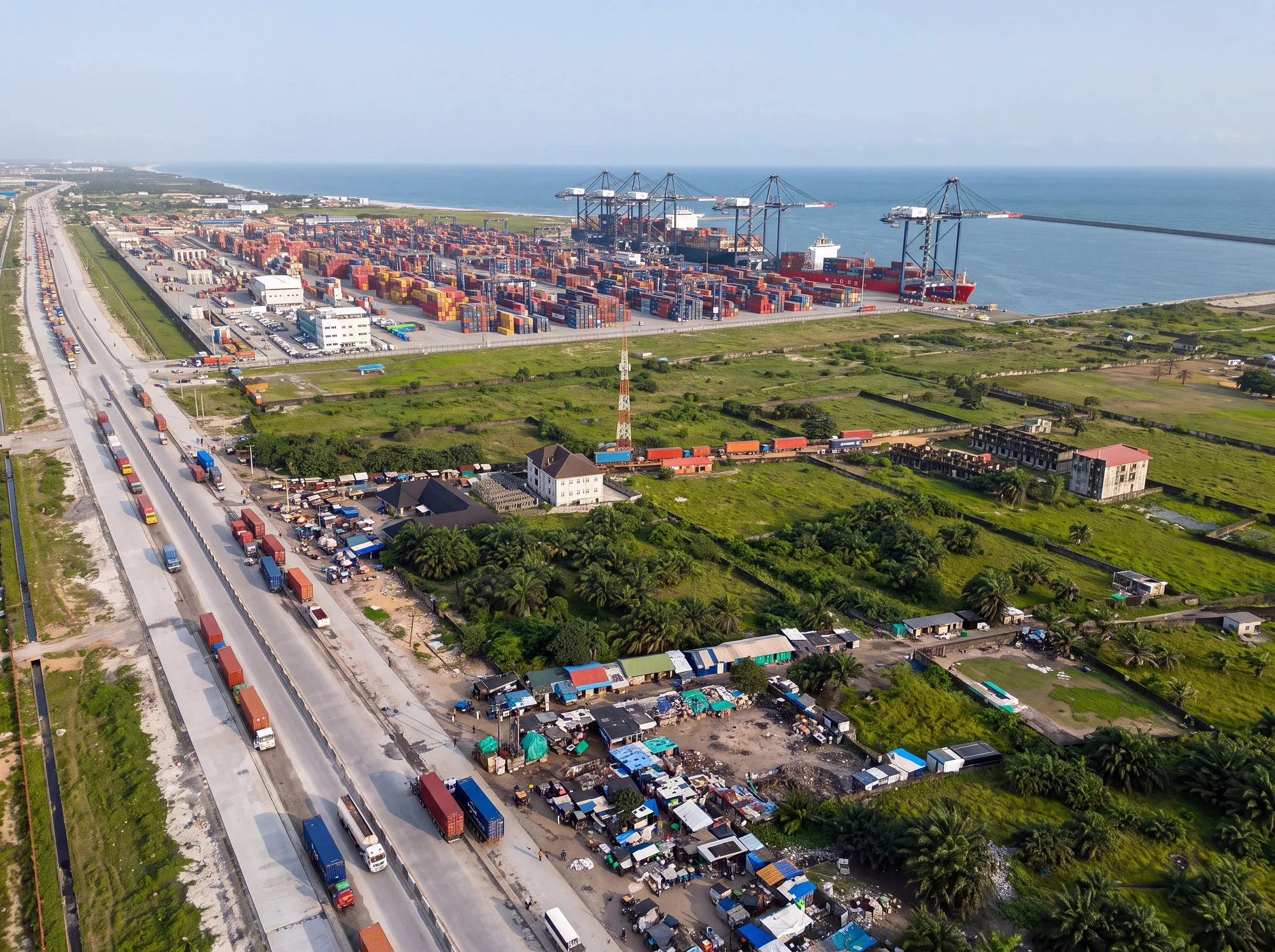
Nigeria spent one and a half billion dollars on a port in Lagos that can take ships bigger than anything its old ports ever could. But for its first years, it ran at about a fifth of its capacity. Why?
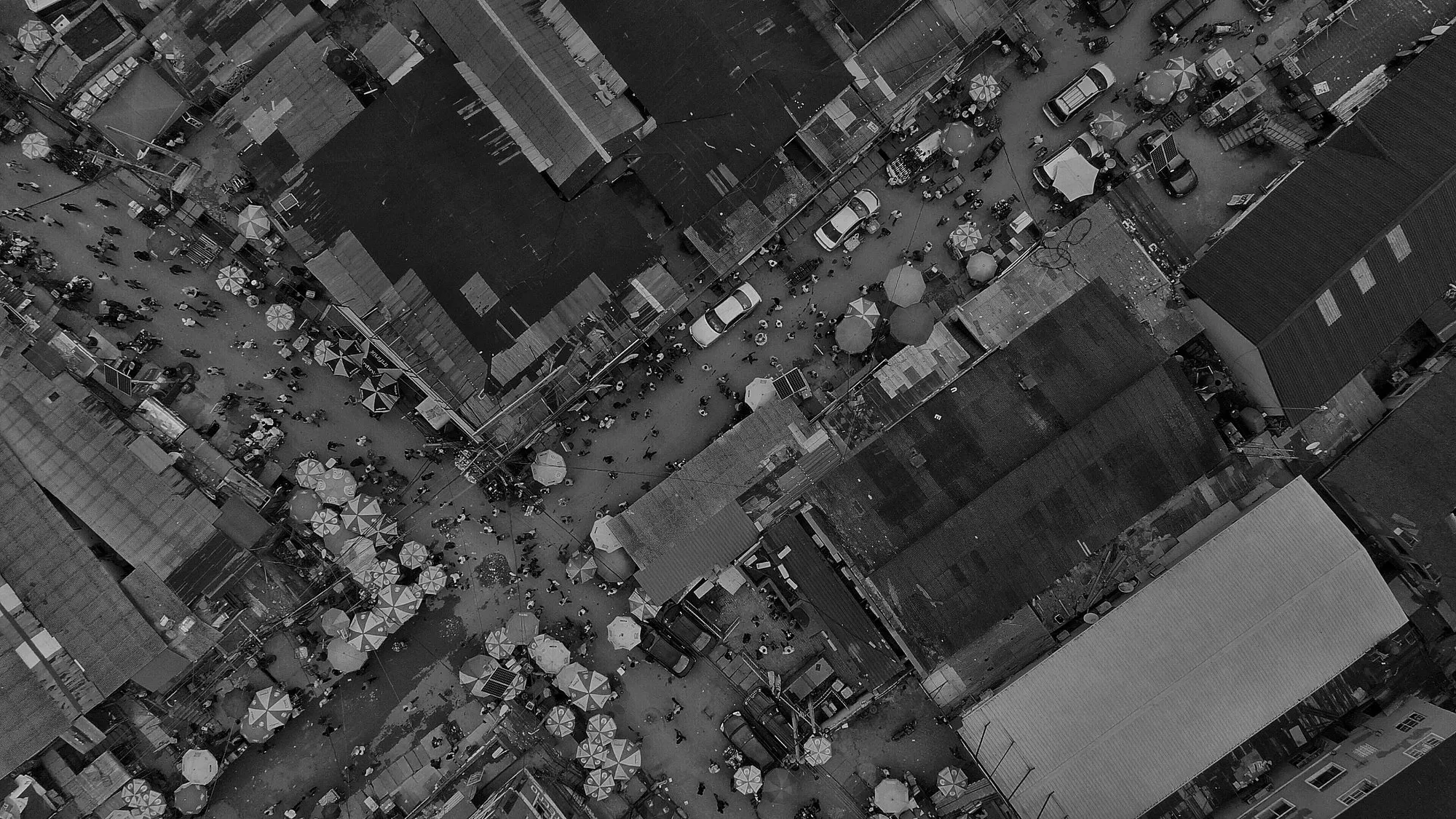
Start with the old ports. Apapa, Nigeria’s busiest, is too shallow for the biggest container ships. So those ships go somewhere else first: Lomé, Cotonou, Abidjan. Their cargo is unloaded there, then moved again to Nigeria.
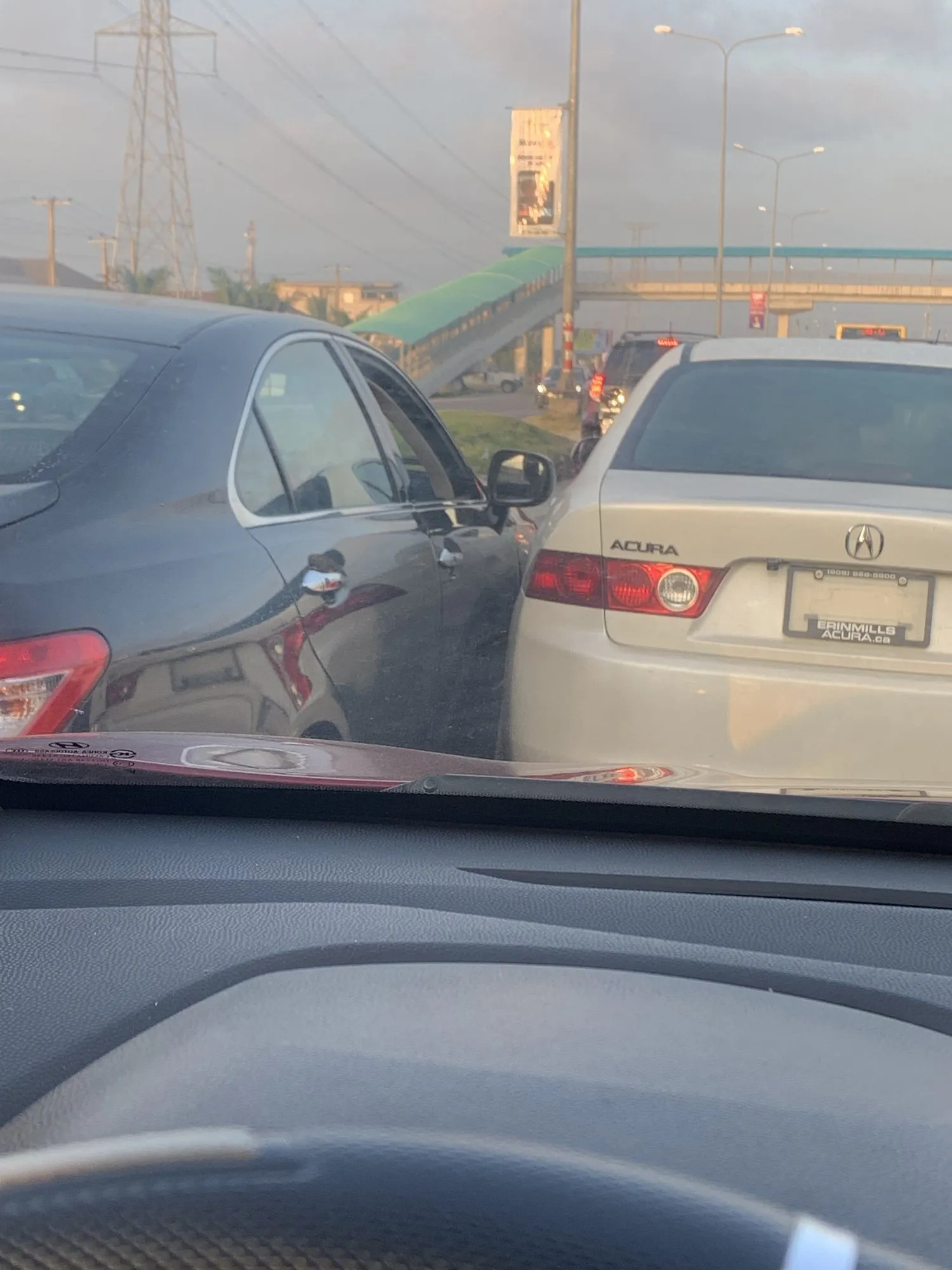
And the ships that did come to Apapa often waited. At one point, container ships were waiting more than 25 days to berth. Outside, trucks could spend days crawling just to get through the gate.
So Nigeria built Lekki. Sixteen and a half metres deep. Built by China Harbour Engineering with Tolaram. Operated with CMA CGM. Phase one: 1.2 million containers a year.
In January 2024, a ship carrying almost 15,000 containers docked there, the biggest container ship Nigeria had ever received.
Half a system
But a port is only half the system. The other half is how the cargo leaves. And Lekki was built far from where most of the cargo goes. No rail link yet. Roads still being built. Barges still being tested.
So importers did the maths. If moving a container out of Lekki costs more than moving it out of Apapa, they stay with what they know. By mid-2025, the port said it was running at about 20% of its capacity.
The ships came. The roads didn’t arrive with them.
A port is not a building. It’s a road, a railway and a queue. And it’s only as fast as the slowest one.
■
Photo credits
- Lekki Deep Sea Port from the air: FrankvEck / Wikimedia Commons, CC BY-SA 4.0 (licence)
- Apapa, Nigeria's busiest port, is too shallow for the largest container ships: scenar308 (Bernd S) / Wikimedia Commons, CC BY 2.0 (licence)
- Lekki Deep Sea Port, August 2026: FrankvEck / Wikimedia Commons, CC BY-SA 4.0 (licence)